If you’ve followed this blog for a while, you already know that I’m a big lover of historical fiction—the kind that pulls you into another era, makes you feel the weight of corsets, hear the clash of swords, and taste the tension in royal courts. And no one does that quite like Philippa Gregory and I love her for it. I currently own over 20 books by her and ready to buy more.
About the Author
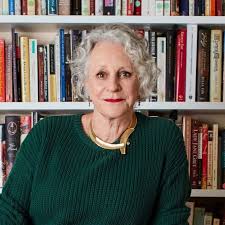
Philippa Gregory is one of the world’s foremost historical novelists. She wrote her first ever novel, Wideacre, when she was completing her PhD in eighteenth-century literature and it sold worldwide, heralding a new era for historical fiction. Her flair for blending history and imagination developed into a signature style and Philippa went on to write many bestselling novels, including The Other Boleyn Girl and The White Queen.
Now a recognised authority on women’s history, Philippa graduated from the University of Sussex and received a PhD from the University of Edinburgh, where she is a Regent and was made Alumna of the Year in 2009. She holds honorary degrees from Teesside University and the University of Sussex. She is a fellow of the Universities of Sussex and Cardiff and an honorary research fellow at Birkbeck University of London. In 2020 she was made a CBE in the Queen’s Birthday Honours for her services to literature and charity.
Philippa is a member of the Society of Authors and in 2016, was presented with the Outstanding Contribution to Historical Fiction Award by the Historical Writers’ Association. In 2018, she was awarded an Honorary Platinum Award by Nielsen for achieving significant lifetime sales across her entire book output.
For many years, her other great interest was the charity that she founded nearly twenty years ago: Gardens for The Gambia. She raised funds and paid for almost 200 wells in the primary schools of this very dry and poor African country, and thousands of school children have been able to learn market gardening and grow food to eat in the school gardens watered by the wells. The charity also provided wells for women’s collective gardens and for The Gambia’s only agricultural college, at Njawara. During the Covid-19 pandemic, it suspended well digging and focused on funding washing/disinfectant programmes and providing materials help community.
Why I Love This Author
I remember the first time I stumbled upon The Other Boleyn Girl. I wasn’t prepared. I thought I was just picking up another historical fiction, but what I found was an author who could make history feel alive—visceral even. She gave voice to women who’d long been buried in the footnotes of dusty textbooks. And from that moment, I was hooked.
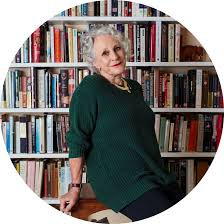
Philippa Gregory isn’t just a historical fiction writer—she’s a masterful storyteller with a PhD in 18th-century literature, and it shows. She doesn’t just write about history; she reconstructs it, weaving fact with possibility so seamlessly that you begin to wonder if you’ve always had the wrong version of events.
Her stories are full of layered, complex women—queens, mistresses, witches, and warriors—many of whom have been historically silenced or misunderstood. And yet, Philippa brings them to life with nuance and empathy, making them painfully real.
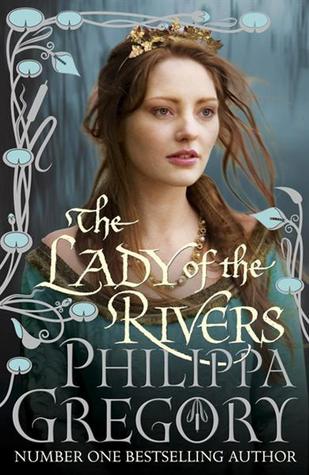
One of my absolute favorites is The Lady of the Rivers. Oh, Jacquetta! She’s powerful yet vulnerable, steeped in myth and history, and so beautifully written that I found myself slowing down my reading just to savour each page.
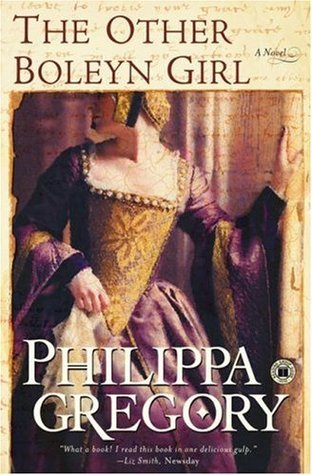
Then there’s The Other Boleyn Girl, of course—a classic. Philippa’s take on Mary Boleyn opened my eyes to the idea that history doesn’t always belong to the victors; sometimes, the quiet observers have the richest stories.
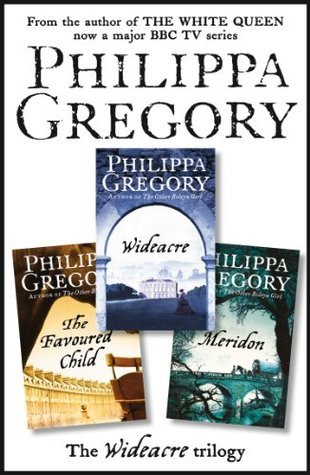
And I can’t talk about my love for Philippa Gregory without mentioning The Wideacre Trilogy. It’s wildly different from her Tudor novels—darker, bolder, and even a bit scandalous. But that’s exactly why I loved it. Beatrice Lacey is not your typical heroine. She’s ambitious to a fault, deeply flawed, and unforgettable. That trilogy pushed boundaries and made me question the role of women in literature and power.
What I admire most about Philippa is that she dares to tell stories that aren’t always pretty or polite. Her characters make hard choices, and they don’t always come out looking good. But isn’t that life? Isn’t that humanity?
Reading Philippa Gregory feels like having a spirited conversation with history—one that challenges, surprises, and sometimes even frustrates you, but always leaves you better than it found you.
So if you haven’t yet ventured into her literary world, let me be the friend who nudges you into it. Start with The Other Boleyn Girl if you love court intrigue. Dive into The Lady of the Rivers if you’re drawn to powerful women with a hint of the mystical. And if you’re ready for something intense and unforgettable, Wideacre is waiting.
Happy reading.
Copyright © Biyai Garricks
Unauthorized use and/or duplication of this material without express and written permission from this site’s author and/or owner is strictly prohibited. Excerpts and links may be used, provided that full and clear credit is given to Biyai Garricks, rovingbookwormng.com with appropriate and specific direction to the original content.
Discover more from Biyai Garricks
Subscribe to get the latest posts sent to your email.